



How to Attract More Charter Bookings During Off-Season Months
The off-season does not have to mean empty boats and lost revenue for fishing charter operators. With the right mix of strategic pricing, digital marketing, customer experience optimization, and niche targeting, off-season months can become a reliable income stream rather than a financial burden. This guide breaks down proven, data-backed methods to help fishing charter businesses drive consistent bookings year-round.
Table of Contents
- Understanding the Off-Season Challenge
- Analyzing Seasonal Demand Patterns
- Smart Pricing Strategies That Convert
- Off-Season Digital Marketing That Works
- Targeting Locals and Regional Anglers
- Creating Off-Season Experiences
- Leveraging Partnerships and Cross-Promotions
- Retention Marketing and Email Campaigns
- Building Trust During the Quiet Months
- Using Technology to Optimize Bookings
- Top 5 Frequently Asked Questions
- Final Thoughts
- Resources
Understanding the Off-Season Challenge
Off-season periods are typically driven by weather conditions, fish migration patterns, tourism cycles, and consumer perception. Research from the Outdoor Industry Association shows that recreational fishing participation drops by as much as 35–45 percent in colder or shoulder seasons depending on region. The challenge is not lack of interest but lack of urgency and awareness. Many charter operators rely heavily on peak-season walk-ins or tourist traffic. When those disappear, revenue gaps become unavoidable unless proactive strategies are in place.
Analyzing Seasonal Demand Patterns
Successful off-season planning starts with understanding historical booking data. Review your past two to three years of bookings to identify:
- Which months experience the steepest drop-offs
- Which species remain catchable year-round
- Weather windows that still allow safe trips
Google Trends data consistently shows that search interest for fishing charters does not disappear in the off-season—it shifts geographically and demographically. Locals, retirees, and serious anglers continue searching when casual tourists stop.
Smart Pricing Strategies That Convert
Discounting alone is not a strategy; value framing is. According to behavioral pricing studies published by Harvard Business Review, bundled value outperforms flat discounts by over 20 percent in service-based industries.
Effective off-season pricing tactics include:
- Shorter trip options at lower price points
- Midweek specials for flexible schedules
- Value-added bonuses such as free gear upgrades
- Locals-only pricing with proof of residency
Avoid racing to the bottom. Instead, emphasize exclusivity, quieter waters, and higher catch success due to reduced pressure.
Off-Season Digital Marketing That Works
Off-season marketing requires intent-driven channels. Pay-per-click ads targeting “winter fishing charters,” “off-season fishing trips,” and species-specific keywords often cost 30–50 percent less during low demand months.
Content marketing is equally powerful. Publishing blogs, videos, and social posts that highlight:
- Cold-water species availability
- Safety measures for winter trips
- Behind-the-scenes charter life
builds trust and keeps your brand top-of-mind. Email open rates in the travel and recreation sector average 18 percent annually, but off-season campaigns often exceed 25 percent due to reduced inbox competition.
Targeting Locals and Regional Anglers
Tourists leave; locals stay. Local anglers are your most reliable off-season audience. Focus messaging on convenience, familiarity with local waters, and skill-building rather than sightseeing.
Effective local targeting includes:
- Facebook and Instagram ads within a 100-mile radius
- Partnerships with local tackle shops
- Referral incentives for repeat customers
Data from Meta’s ad platform shows hyper-local campaigns can reduce customer acquisition costs by up to 60 percent compared to broad tourism targeting.
Creating Off-Season Experiences
Experience-based offerings outperform standard charters during slow months. Consider packaging:
- Skill-focused trips for advanced anglers
- Educational outings for beginners
- Catch-and-cook collaborations with local restaurants
The experience economy continues to grow, with McKinsey reporting that consumers are prioritizing meaningful experiences over material purchases by a margin of 2 to 1.
Leveraging Partnerships and Cross-Promotions
Strategic partnerships reduce marketing costs while expanding reach. Ideal off-season partners include:
- Boutique hotels and lodges
- Outdoor gear retailers
- Tourism boards promoting shoulder-season travel
Bundled experiences such as “Stay and Fish” packages can increase booking conversion rates by up to 35 percent, according to hospitality industry benchmarks.
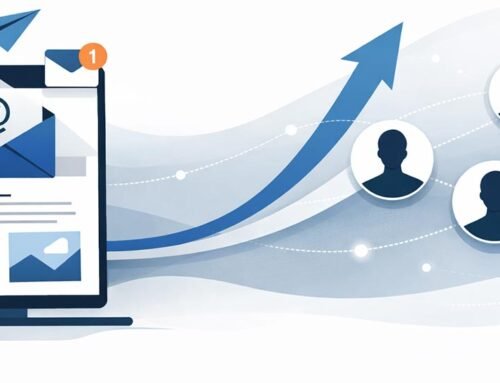
Retention Marketing and Email Campaigns
It costs five times more to acquire a new customer than to retain an existing one. Off-season months are ideal for re-engaging past guests.
Effective email campaigns include:
- Early access to spring dates
- Loyalty rewards for repeat bookings
- Personalized trip recommendations based on past catches
Personalization alone can lift email-driven revenue by 10–15 percent, according to Salesforce research.
Building Trust During the Quiet Months
When demand is lower, trust becomes the deciding factor. Highlight reviews that mention professionalism, safety, and adaptability in challenging conditions.
Update your website and profiles with:
- Recent off-season trip photos
- Weather and safety protocols
- Clear cancellation and rescheduling policies
Transparency reduces booking hesitation, especially during unpredictable seasons.
Using Technology to Optimize Bookings
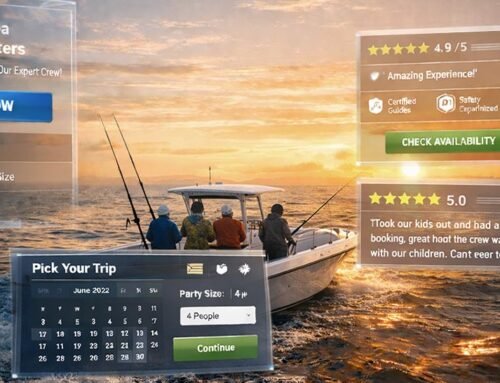
Modern booking software allows real-time availability, automated reminders, and dynamic pricing. Operators using online booking systems report up to 30 percent higher conversion rates than phone-only operations.
Key features to prioritize:
- Mobile-friendly booking
- Automated follow-up emails
- Integrated review requests
Technology reduces friction, which matters even more when customer motivation is lower.
Top 5 Frequently Asked Questions
Final Thoughts
The off-season is not a dead period—it is a strategic opportunity. Fishing charter businesses that shift from reactive to proactive planning consistently outperform competitors who rely solely on peak-season demand. By understanding your audience, reframing your value proposition, and leveraging digital tools, off-season months can become a sustainable and predictable revenue stream rather than a financial gap.
Resources
- Outdoor Industry Association – Recreational Fishing Participation Reports
- Harvard Business Review – Behavioral Pricing Studies
- McKinsey & Company – Experience Economy Research
- Salesforce – State of Marketing Report
- Meta Business – Local Advertising Performance Benchmarks